Perennial Herb.

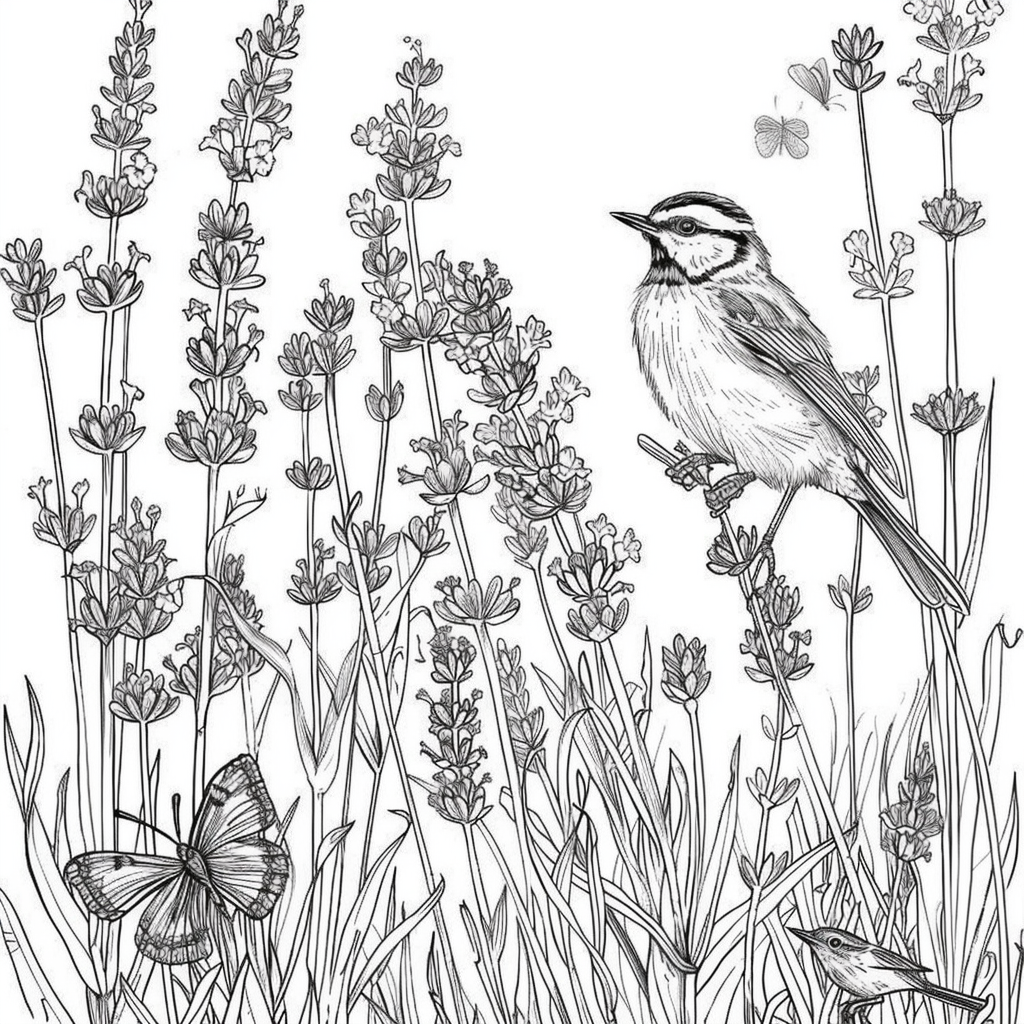
Lavender captivates me with its timeless allure, blending beauty with utility in my garden. Its fragrant blooms, in hues of violet and blue, invite serene moments amid bustling days. Beyond its aesthetic charm, lavender beckons with therapeutic prowess, soothing both mind and body with each breeze-stirred release of its calming scent. As a gardener, its hardiness in Zone 4 climates ensures year-round resilience, gracing my landscape with steadfast elegance. Whether adorning borders or filling the air with its aromatic embrace, lavender embodies a sanctuary of tranquility, weaving nature’s gift seamlessly into the fabric of my outdoor sanctuary.
Lavender enriches my garden with its multifaceted allure, a testament to both its beauty and practicality. Its fragrant blossoms not only dazzle with hues of purple and blue but also attract beneficial pollinators, fostering a thriving ecosystem. Beyond aesthetics, lavender offers therapeutic benefits, soothing stress and promoting relaxation with its aromatic uses. Whether in borders, pots, or as a centerpiece, lavender adds a touch of elegance and tranquility to any outdoor space, making it a must-have for gardeners seeking beauty, function, and serenity.
Lavender extends its charm beyond the garden into my kitchen and home, enriching both culinary delights and daily rituals. In cooking, its delicate floral notes infuse dishes with a subtle yet distinctive flavor, elevating everything from desserts to savory dishes and beverages. As a household staple, lavender’s aromatic essence transforms into natural air fresheners, linen sachets, and potpourri, imbuing spaces with a soothing ambiance. Lavender essential oils offer therapeutic benefits, aiding in relaxation and sleep when diffused or applied topically. Versatile and aromatic, lavender transcends mere decoration as part of cut flower garden bouquet, becoming a functional ally in the kitchen and an essential element in creating a serene home environment.
Lavender Plant Placement and Tips to Help it Thrive
To ensure lavender thrives in your garden, consider these placement and care tips:
- Sunlight: Plant lavender in full sun (at least 6-8 hours daily) to encourage robust growth and abundant blooms.
- Well-drained soil: Lavender dislikes wet feet, so choose a location with well-draining soil. If your soil is heavy or clay-like, amend it with sand or gravel to improve drainage.
- Spacing: Allow adequate spacing (12-18 inches apart) between lavender plants to promote air circulation and prevent fungal diseases.
- Pruning: Regular pruning after flowering helps maintain its shape and stimulates new growth. Cut back about one-third of the plant’s height in late summer or early spring.
- Watering: Initially, water lavender regularly to establish roots. Once established, lavender is drought-tolerant and prefers dry conditions. Water deeply but infrequently to prevent root rot.
- Mulching: Use gravel or sandy mulch around lavender plants to keep the soil warm, deter weeds, and maintain soil drainage.
- Winter protection: In colder climates (like Zone 4), provide winter protection by mulching around the base of the plant to shield it from frost.
- Companion planting: Lavender thrives alongside other Mediterranean herbs like rosemary and thyme. Avoid planting with moisture-loving plants.
By following these tips, you can create an ideal environment for lavender to flourish and enjoy its beauty and benefits in your garden.
Lavender Propagation
Propagating lavender can be done through several methods:
- From Seed
- Start seeds indoors in early spring, as lavender seeds can be slow to germinate.
- Transplant seedlings outdoors once they have developed a few sets of true leaves.
- From Cuttings
- Take 4-6 inch cuttings from a healthy lavender plant in spring or early summer.
- Remove the lower leaves, leaving a few at the top.
- Dip the cut end in rooting hormone (optional) and plant in well-draining soil or a mix of sand and perlite.
- Keep the soil moist and place in a warm, sunny location. Roots should develop in a few weeks.
- Layering
- Bend a low-growing lavender stem to the ground and secure it with a small stone or piece of wire.
- Cover the bent section with soil, leaving the tip exposed.
- Roots will develop at the covered section over time, and once established, you can cut the new plant from the parent.
- Division
- Lavender can be divided every few years in early spring.
- Dig up the entire plant and carefully divide the root ball into smaller sections, ensuring each division has roots and foliage.
- Replant divisions in well-prepared soil, spacing them appropriately.
Each method has its advantages, but cuttings are often preferred for producing clones of specific lavender varieties quickly and reliably.
Lavendar Varieties for Northern Gardens
For northern gardens in Zone 4 or colder climates, choosing hardy lavender varieties is crucial. Here are some varieties known to thrive in colder regions:
- English Lavender (Lavandula angustifolia)
- Varieties like ‘Munstead’ and ‘Hidcote’ are renowned for their cold hardiness and compact growth habit.
- They typically tolerate colder temperatures well and are ideal for northern gardens.
- Munstead’: Known for its compact size and strong fragrance, it’s excellent for culinary uses.
- ‘Hidcote’: Another popular variety with deep purple flowers and a sweet aroma, perfect for cooking.
- ‘Betty’s Blue’: Known for its vibrant blue flowers and sweet fragrance.
- Lavandin (Lavandula x intermedia)
- This lavender hybrid is a cross between English lavender (L. angustifolia) and spike lavender (L. latifolia).
- Varieties such as ‘Grosso’ and ‘Provence’ are hardier than English lavender and can withstand colder temperatures, making them suitable for northern climates.
- ‘Grosso’: While slightly less cold-hardy than some English lavenders, ‘Grosso’ is valued for its robust fragrance and larger flower spikes. It can be used in culinary applications, though it has a stronger flavor.
- ‘Phenomenal’: Noted for its hardiness and disease resistance, ‘Phenomenal’ has a milder flavor suitable for culinary use.
- French Lavender (Lavandula stoechas)
- While generally less cold-hardy than English lavender, some varieties like ‘Silver Anouk’ or ‘Pedunculata’ can survive in Zone 4 with proper winter protection.
- They often have unique butterfly-like blooms and aromatic foliage.
- Lavender ‘Phenomenal’
- Specifically bred for its cold hardiness, ‘Phenomenal’ lavender (L. x intermedia) is known to withstand temperatures as low as -30°F (-34°C).
- It has silvery foliage and deep purple-blue flowers, making it a robust choice for northern gardens.
When selecting lavender for northern gardens, ensure they are planted in well-drained soil, receive ample sunlight, and consider providing winter protection, especially during harsh winters. These varieties offer both beauty and resilience, enhancing any garden in colder climates.
Buying Lavender Online
To find lavender online, explore Plants and Seeds links under my Garden Resources and References. Prioritize sellers with good lavender seed and plant stock, verify plant size for your space and variety features, and consider customer reviews for varieties to ensure yourself a reliable and satisfying shopping experience.
Cooking With Lavender

Hearty lavender shortbread cookies recipe
Buttery, fragrant, and elegantly floral shortbread cookies. These lavender shortbread cookies give us a delicate blend of buttery richness and subtle floral notes. The dried culinary lavender infuses the cookies with a light, fragrant aroma…

Hearty lavender lemonade recipe
Refreshing, fragrant, and uniquely delightful floral lemonade. This lavender lemonade is both special and delicious. It has a unique elegant blend of floral and citrus flavors. The dried lavender infuses the lemonade with a subtle,…

Hearty lavender and honey roasted chicken recipe
Flavorful, aromatic, and succulent lavender honey chicken. This Lavender and Honey Roasted Chicken tastes divine due to the harmonious blend of floral lavender, sweet honey, and aromatic herbs. The lavender infuses the chicken with a…

Pingback: Cut Flower Garden | BLOOM HEARTY
Pingback: Aromatherapy and Bath Salts for Stress Relief and Skin Care | BLOOM HEARTY
Pingback: Sleep Well | BLOOM HEARTY
Pingback: Gardening To Improve Outdoor Air Quality | BLOOM HEARTY
Pingback: Soak In The Tub | BLOOM HEARTY
Pingback: Hearty Lavender Lemonade | BLOOM HEARTY
Pingback: Week 8 Gardening & Birding | Bloom Hearty
Pingback: Guide to safe use of herbs | Bloom Hearty
Pingback: Hearty lavender lemonade recipe | Bloom Hearty