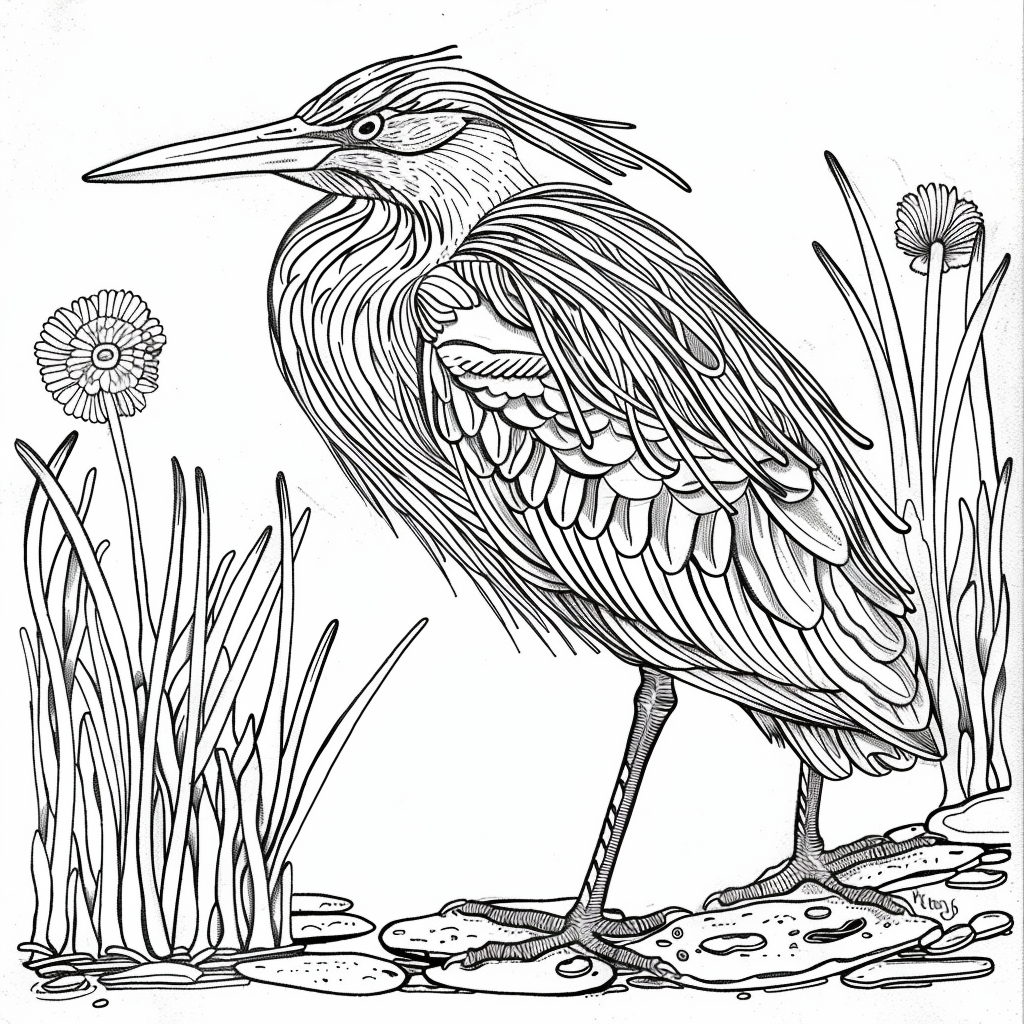
A graceful, intelligent, patient, elusive, and colorful little Heron.

I both love and am fascinated by watching Green Herons around my backyard pond. They exhibit such graceful yet precise hunting techniques. Their patience and intelligence in using tools to lure fish are captivating. Their striking plumage, with shades of green, blue, and chestnut, adds vibrant flashes of natural beauty to the environment. Observing their behavior offers a unique glimpse into the intricacies of nature. The peacefulness they bring and their ability to blend seamlessly into the environment make each sighting feel new. Their presence connects my backyard pond to the whole of the natural world, providing a serene escape. Their occasional sharp “skeow” calls and sudden, agile flights add an element of surprise, making each encounter a little bit unpredictable and fun.
Physical Characteristics
- Size: Approximately 44 cm (17 inches) in length with a wingspan of about 64 cm (25 inches).
- Color: Adults have a glossy, greenish-black cap, a greenish back, and wings that appear dark with a greenish sheen. They have a chestnut-colored neck with a white line down the front.
- Beak: The bill is dark and sharp, ideal for catching prey.
Habitat
- Range: Green Herons are found in wetlands, marshes, rivers, ponds, and lakes. They are widespread across North and Central America, including parts of Canada, the United States, Mexico, and the Caribbean.
- Nesting: They often nest in trees or shrubs near water bodies. Nests are typically made of sticks and lined with softer materials.
Behavior
- Diet: Their diet primarily consists of small fish, amphibians, insects, and crustaceans. They are known for their patience and skill in hunting, often standing still for long periods before striking quickly to catch prey.
- Hunting Technique: Green Herons are known for using tools, such as dropping insects, feathers, or small objects onto the water’s surface to attract fish.
Interesting Facts
- Tool Use: One of the few bird species known to use tools, Green Herons exhibit intelligent hunting behaviors by luring fish with bait.
- Vocalization: They are generally quiet birds but can make a sharp “skeow” call when disturbed.
- Migration: While some populations are resident year-round in warmer climates, others migrate to Central America during the colder months.
Ensuring Green Herons Thrive At Your Pond
Ensuring Green Herons thrive in your pond space involves creating a suitable habitat, providing food sources, and minimizing disturbances. Here are detailed steps to help you create an environment that supports these birds:
1. Habitat Creation
- Natural Vegetation: Plant native trees, shrubs, and grasses around the pond to provide shelter and nesting sites. Willows, alders, and cattails are particularly beneficial.
- Perching Sites: Provide branches or artificial perches near the water’s edge where herons can rest and hunt.
- Shallow Areas: Create shallow water zones (6-12 inches deep) to facilitate wading and hunting for fish and amphibians.
2. Food Sources
- Fish Stocking: Ensure your pond has a healthy population of small fish, such as minnows or sunfish, which are primary food sources for Green Herons.
- Aquatic Life: Promote a diverse ecosystem by including frogs, insects, and crustaceans, which also serve as food for the herons.
- Aquatic Plants: Introduce native aquatic plants like water lilies and duckweed to support the pond’s food web.
3. Water Quality
- Maintain Clean Water: Ensure good water quality by preventing pollutants and managing algae growth. Use natural filtration methods like biofilters or constructed wetlands.
- Aeration: Install aerators to maintain oxygen levels in the water, promoting a healthy aquatic environment.
4. Minimize Disturbances
- Quiet Environment: Keep the area around the pond quiet, especially during nesting season (spring to summer). Limit loud noises and human activities.
- Predator Control: Protect the herons from predators like raccoons and domestic cats by installing fencing or using motion-activated lights.
- Safe Nesting Areas: Avoid disturbing potential nesting sites and provide nesting platforms or boxes if natural sites are limited.
5. Monitoring and Maintenance
- Regular Monitoring: Keep an eye on the heron population and the health of the pond ecosystem. Look for signs of stress or environmental imbalances.
- Seasonal Maintenance: Perform seasonal maintenance to clear debris, manage plant growth, and ensure the pond remains hospitable for wildlife.
7. Community Involvement
- Engage the Community: Involve local community groups or schools in conservation efforts. This can include planting native species, monitoring heron populations, or participating in citizen science projects.
The Green Heron is a fascinating bird due to its unique behaviors and adaptability to different environments. By following these steps, you can create a thriving habitat for Green Herons and contribute to the conservation of these beautiful birds.