Harbingers of spring on the pond.

Red-winged blackbirds at my birdfeeder evoke all the springtime vibes. Their glossy plumage, adorned with fiery red epaulets, ignites the senses. Their melodious distinct calls weave through the air, a tribute to nature’s song. Each visit brings a burst of life, a reminder of the wild’s proximity. Their presence is a connection to the untamed world beyond my doorstep. Observing their graceful movements, I’m reminded of the beauty in simplicity. In their company, time slows, and I find solace in the fleeting moments shared with these winged wonders.
Red-winged blackbirds (Agelaius phoeniceus) are a fascinating subject of scientific study, offering insights into avian behavior, ecology, and evolution:
- Mating Systems: Red-winged blackbirds exhibit a polygynous mating system where males defend territories containing multiple females. This behavior has been extensively studied to understand mate choice, territoriality, and sexual selection.
- Vocal Communication: Their distinctive song, characterized by a “konk-a-ree” call, serves various communication purposes including mate attraction, territory defense, and social bonding. Researchers investigate the complexity and context-dependence of their vocalizations.
- Migration Patterns: Red-winged blackbirds undertake seasonal migrations, with populations in North America migrating south for the winter. Studies on their migration routes, timing, and stopover sites contribute to understanding avian migration ecology.
- Nesting Behavior: Research explores red-winged blackbirds’ nesting habits, including nest site selection, construction, and parental care. Studies have elucidated factors influencing nesting success and survival rates of offspring.
- Impacts of Climate Change: Scientists investigate how climate change affects red-winged blackbirds, including shifts in distribution, timing of migration, and breeding phenology. Such studies contribute to understanding the ecological consequences of climate change on bird populations.
- Social Behavior: Red-winged blackbirds exhibit complex social dynamics within breeding colonies. Researchers study dominance hierarchies, affiliative behaviors, and cooperative breeding strategies to understand social structure and its evolutionary implications.
- Genetic Diversity and Population Genetics: Genetic studies contribute to understanding population structure, gene flow, and evolutionary history of red-winged blackbird populations across their range.
- Ecological Interactions: Red-winged blackbirds interact with various species within their ecosystems, including competitors, predators, and symbiotic partners. Research investigates these interactions to elucidate community dynamics and ecosystem functioning.
- Urban Ecology: Red-winged blackbirds are adaptable to urban environments, providing opportunities to study urban ecology, including habitat use, adaptation to human-altered landscapes, and responses to urbanization.
- Conservation Biology: Understanding the ecological requirements and population dynamics of red-winged blackbirds is essential for their conservation. Research informs management strategies aimed at conserving populations and maintaining healthy ecosystems.
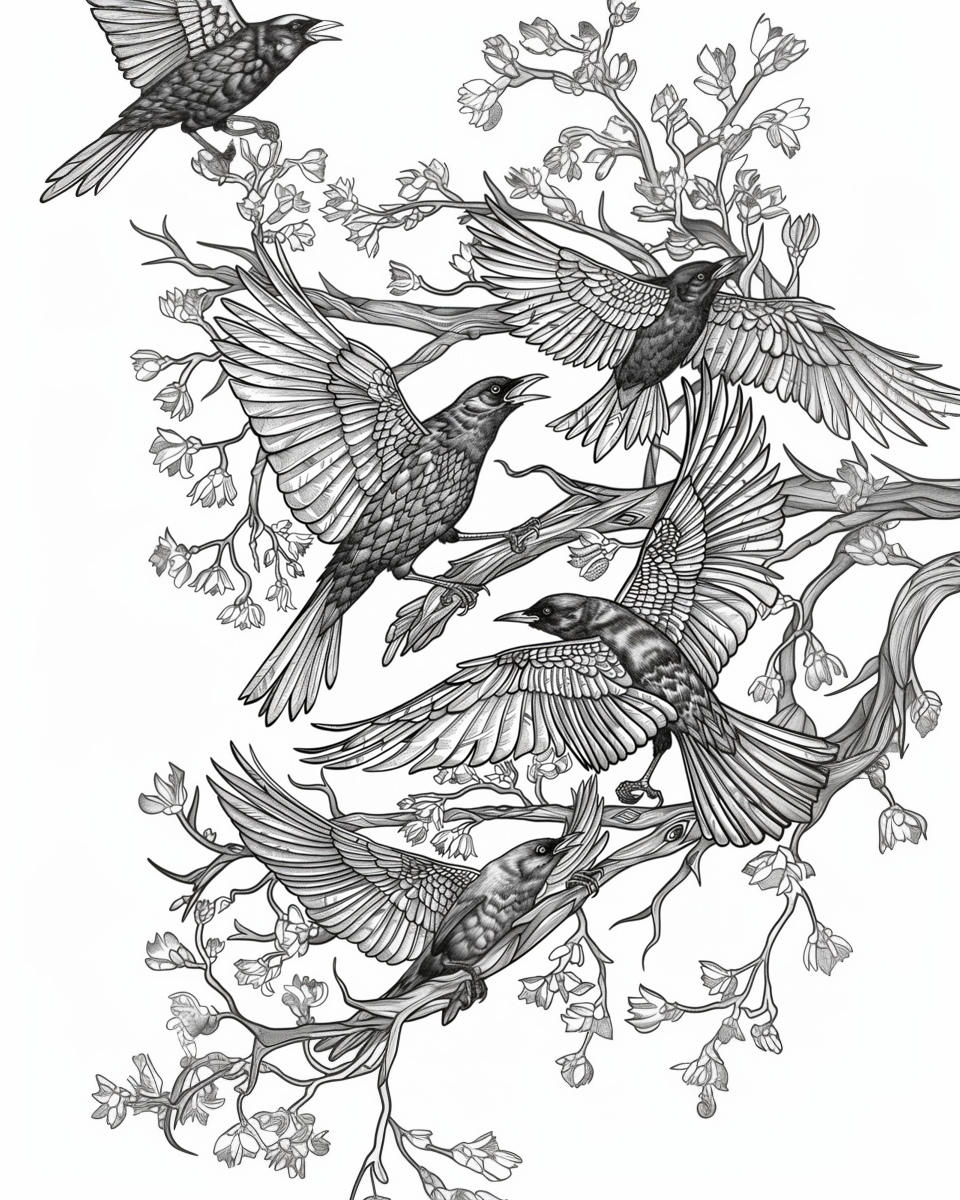
Through scientific inquiry, red-winged blackbirds continue to unveil their secrets, enriching our understanding of avian biology and the natural world. Red-winged blackbirds are the subject of both art and science.
Plate 67 Red winged Starling, or Marsh Blackbird

Sightings
| Date | Time | Bird | Count | Sex | Observations |
| 3/28/2024 | 8:05 am | Red-winged Blackbird | 3 | M | eating at Minnesota birdfeeder |
The red-winged blackbird (Agelaius phoeniceus) is a migratory bird species found throughout North America. Its summer range extends across much of the continent, from southern Canada to parts of Mexico. During the breeding season, red-winged blackbirds inhabit a variety of habitats, including wetlands, marshes, grasslands, agricultural fields, and urban areas.
Summer Range
In the summer, red-winged blackbirds breed across a broad swath of North America, from the northern United States and southern Canada down through the central and eastern portions of the continent. They can be found in suitable habitats across this extensive range, where they establish breeding territories and raise their young.
Winter Range
In contrast, during the winter months, many red-winged blackbirds migrate southward to escape harsh winter conditions. Their winter range extends from the southern United States, including states such as Florida, Texas, and California, down through Mexico and into Central America. Some populations may also overwinter in parts of the southwestern United States where conditions remain relatively mild.
Overall, the summer and winter ranges of red-winged blackbirds are characterized by their migratory behavior, with populations dispersing across a wide geographic area during the breeding season and then congregating in more southerly regions to spend the winter months.
How to Ensure Red-wind Blackbirds Thrive in Your Yard
To create a welcoming environment for red-winged blackbirds in your yard and help ensure their thriving presence, consider implementing the following steps:
- Provide Suitable Habitat: Red-winged blackbirds are often found in wetlands, marshes, and grasslands. Mimic these habitats by incorporating native grasses, shrubs, and water features such as ponds or birdbaths in your yard.
- Offer Food Sources: Red-winged blackbirds have varied diets, including seeds, insects, and small invertebrates. Plant native vegetation that produces seeds and berries, such as sunflowers, grasses, and elderberry bushes. Avoid using pesticides to encourage insect populations for foraging.
- Install Bird Feeders: Supplement natural food sources by offering bird feeders stocked with seeds, suet, and mealworms. Red-winged blackbirds are attracted to platform or hopper feeders placed in open areas.
- Create Nesting Sites: Provide suitable nesting sites by leaving dense vegetation or brushy areas undisturbed. Install nesting boxes designed for medium-sized songbirds, ensuring they are placed at appropriate heights and locations.
- Maintain a Water Source: Red-winged blackbirds are attracted to areas with water for drinking and bathing. Install a shallow birdbath or small pond with gently sloping edges to accommodate their needs.
- Minimize Disturbance: Limit disturbances in your yard during the breeding season to reduce stress on nesting birds. Avoid excessive noise, keep pets away from nesting areas, and refrain from trimming vegetation until after the breeding season.
- Promote Native Plants: Choose native plant species for landscaping, as they provide food and shelter that support local wildlife populations, including red-winged blackbirds. Native plants are well-adapted to the local climate and require less maintenance.
- Practice Conservation: Support conservation efforts aimed at protecting wetlands, grasslands, and other natural habitats essential for red-winged blackbirds and other wildlife species. Get involved in local birdwatching groups or citizen science projects to contribute valuable data on bird populations.
By creating a bird-friendly habitat tailored to the needs of red-winged blackbirds, you can enhance their chances of thriving in your yard while enjoying the beauty and benefits of these charismatic avian residents.